Possible Colors in my Cattery
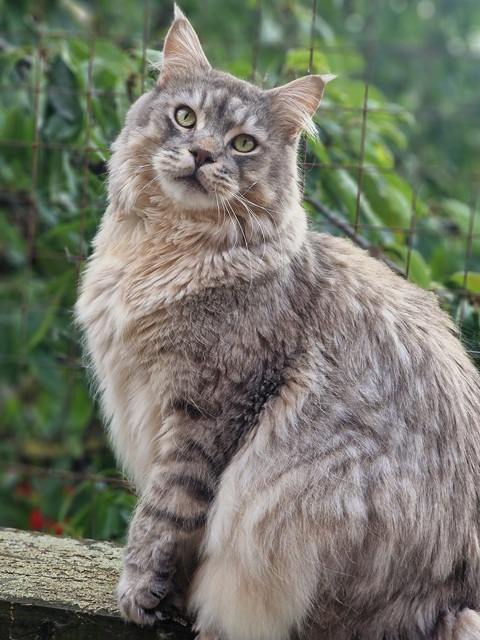
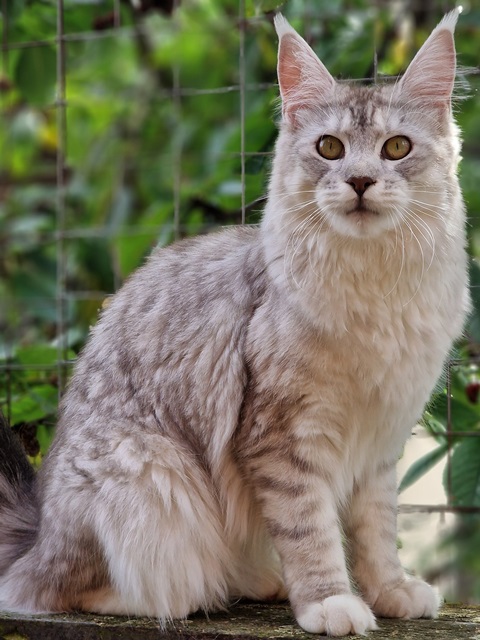
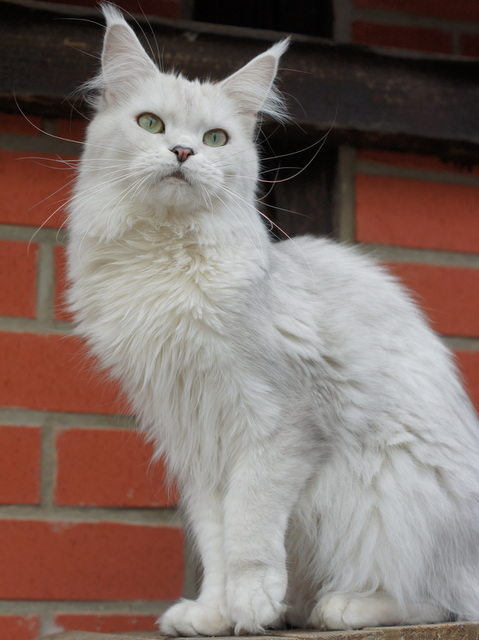
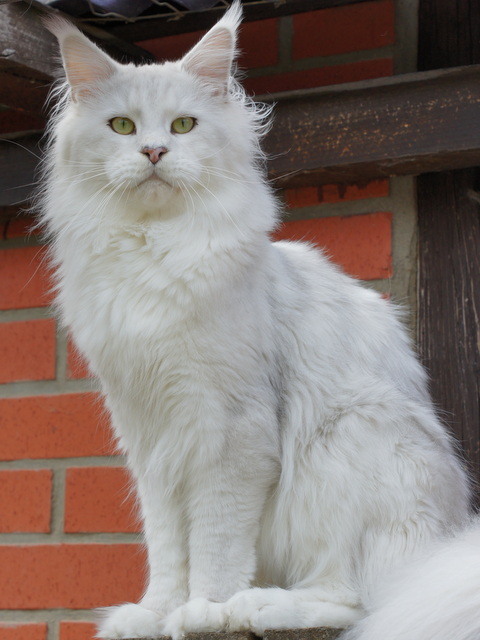
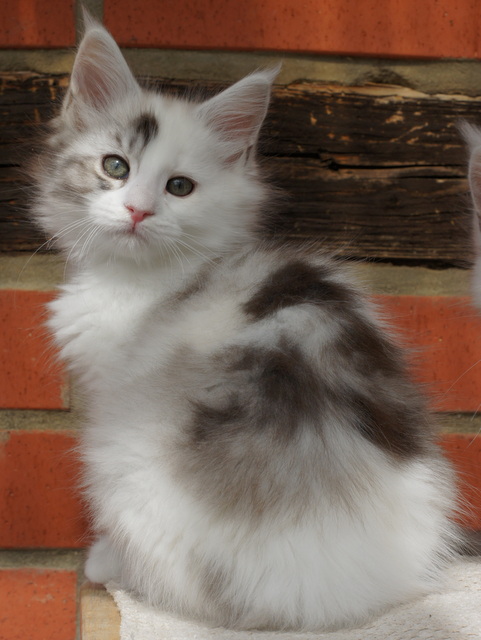
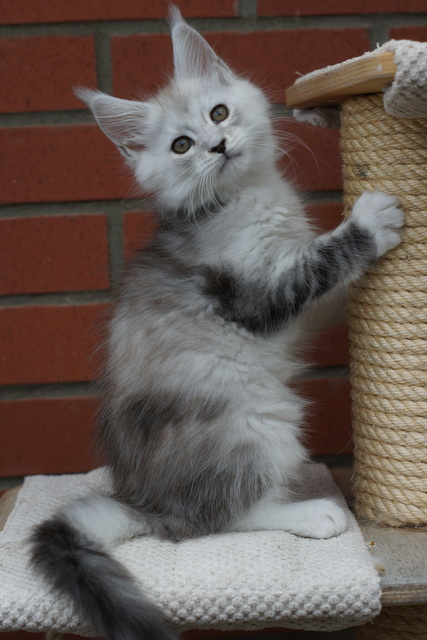
Maine Coon cats come in many different colors; here, I would like to introduce the colors available in my cattery in more detail.Silver tabby
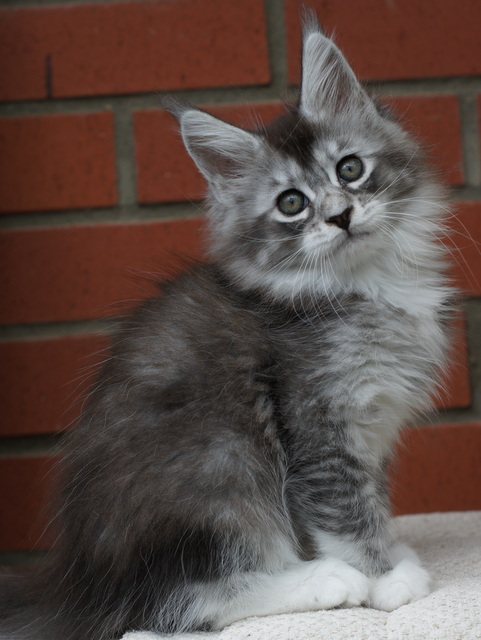
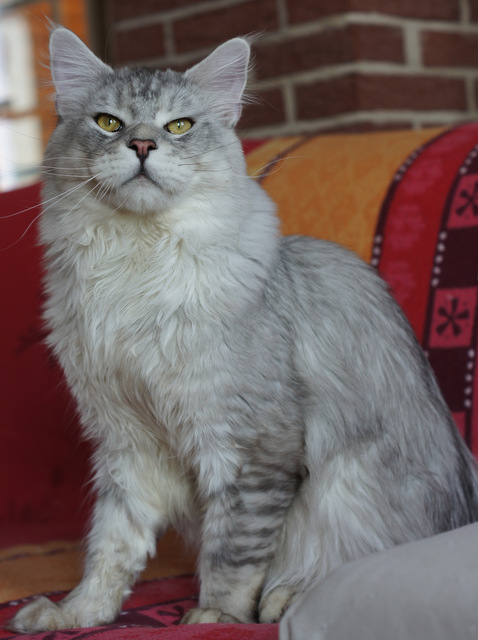
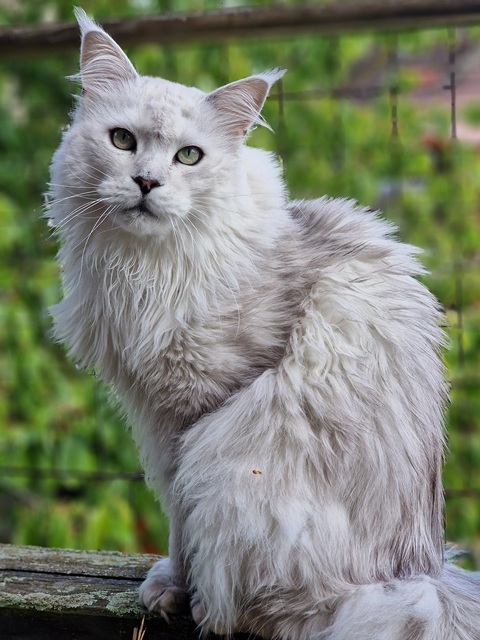
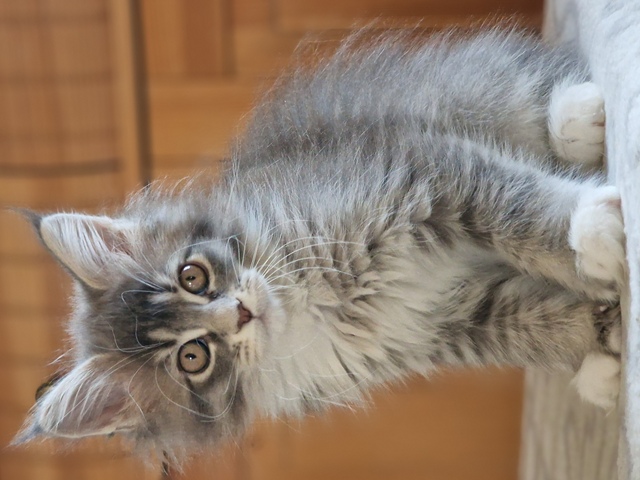
I breed silver tabbies in many variations, usually with more silver than is typical. The most significant visual difference lies in the amount of silver; once a certain level is reached, they are classified as shaded or chinchilla/shell, though distinctions exist even below that threshold—such as between light and dark silver tabbies—for which there are no official separate color designations.
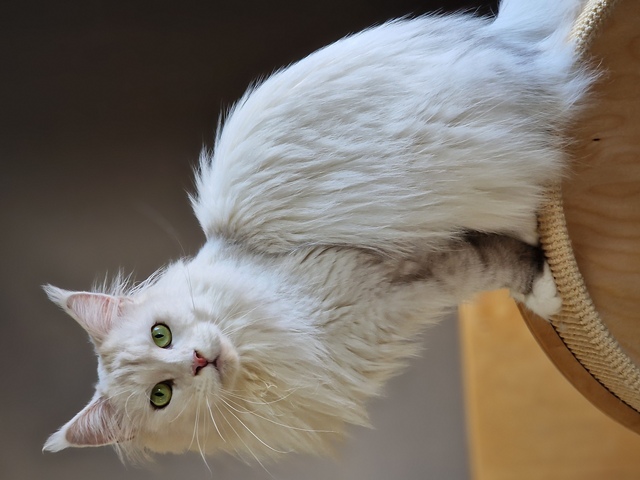

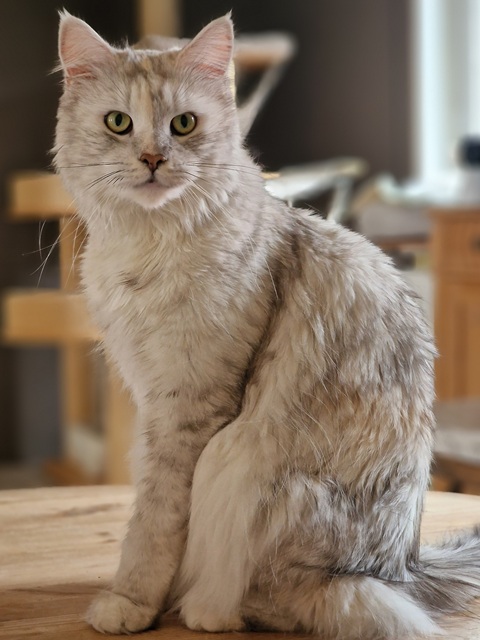
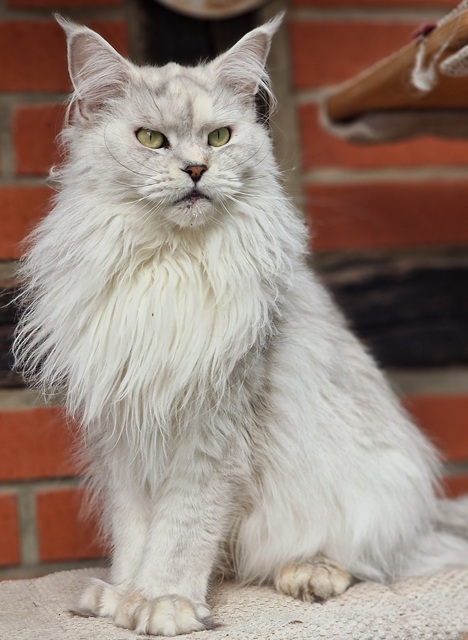
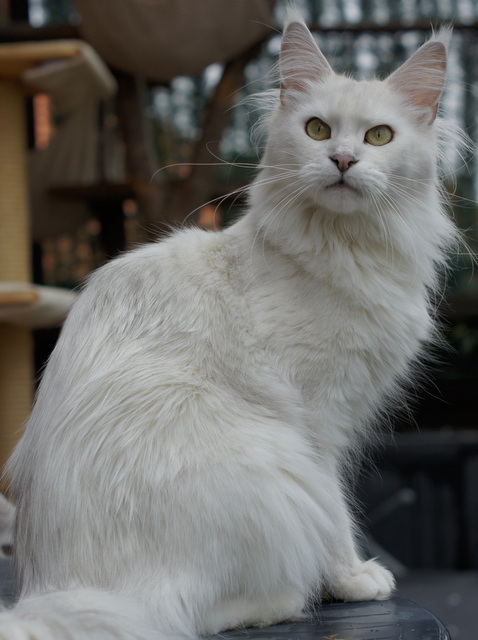
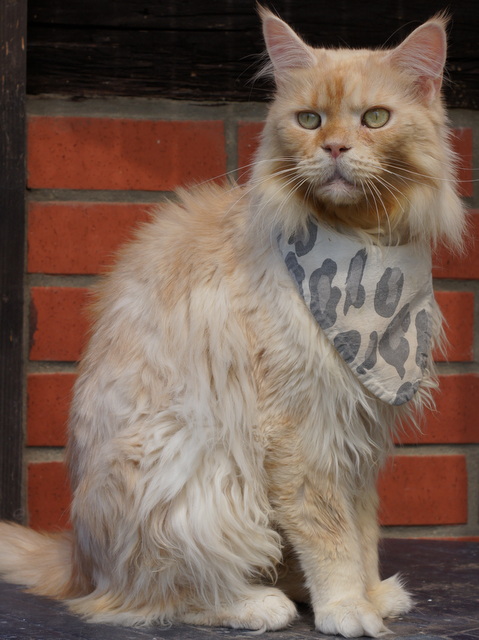
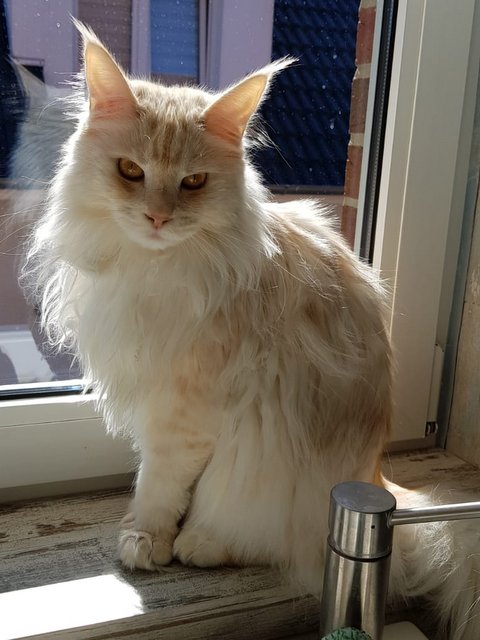
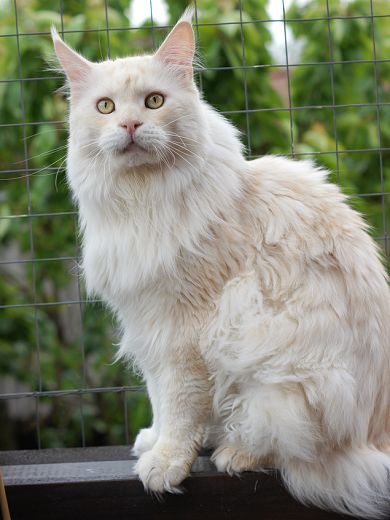
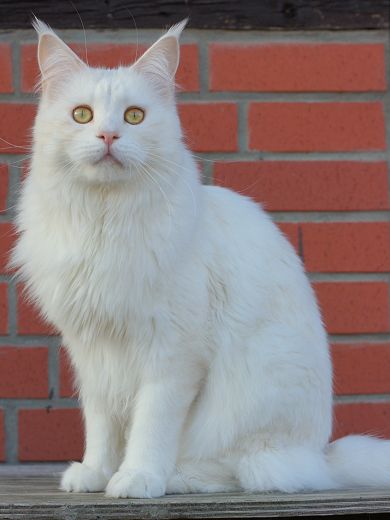
Tabby
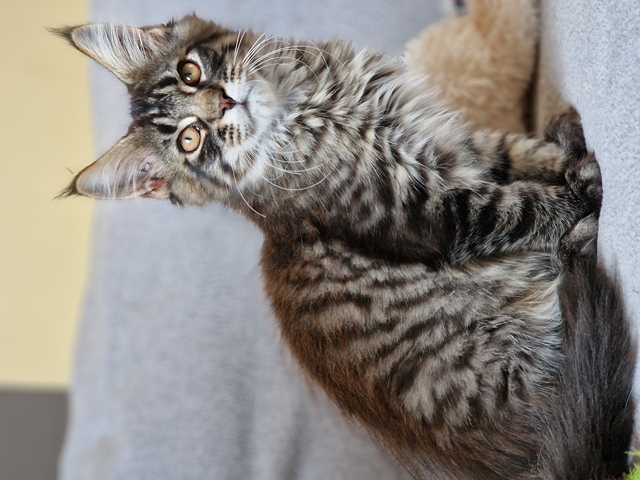
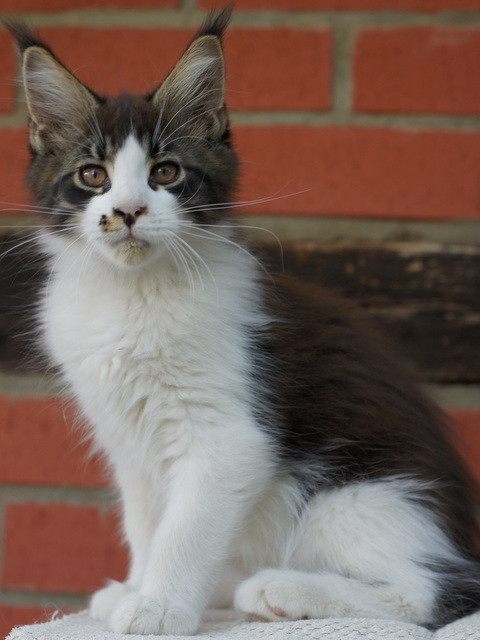
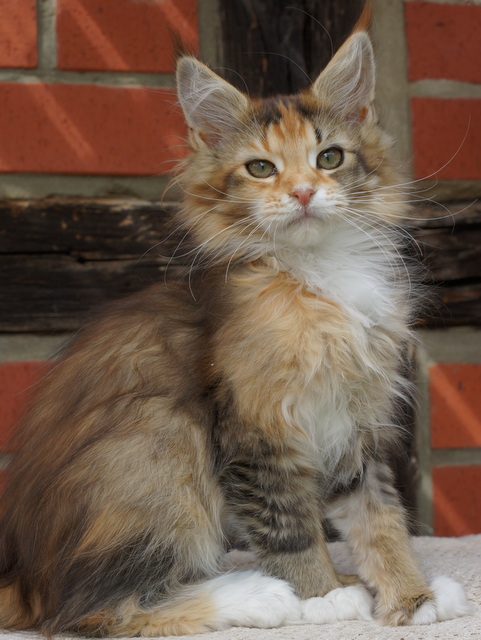
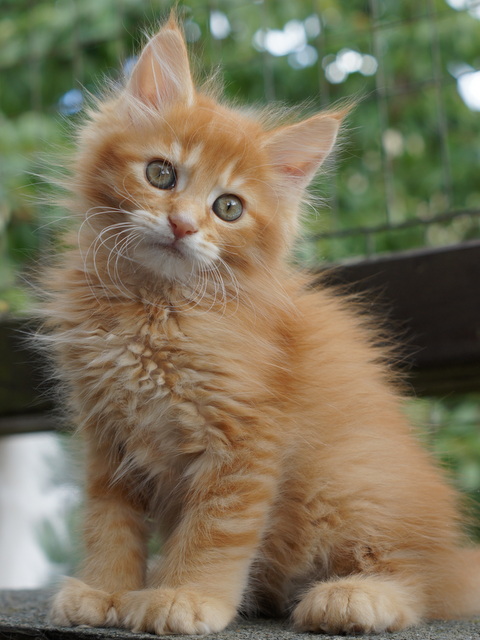
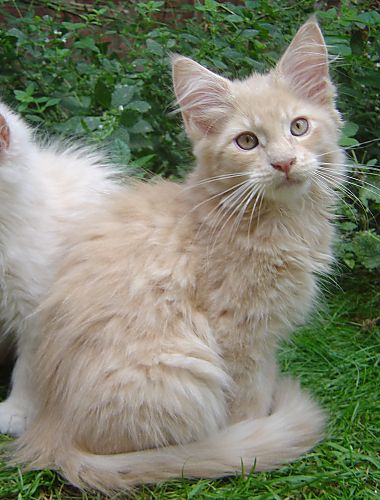
Occasionally, I also have cats without the silver gene; the colors look completely different in that case. Possible colors include black tabby, black torbie, red tabby, blue tabby, blue torbie, and cream tabby, featuring various coat patterns and with or without white.
Coat Pattern
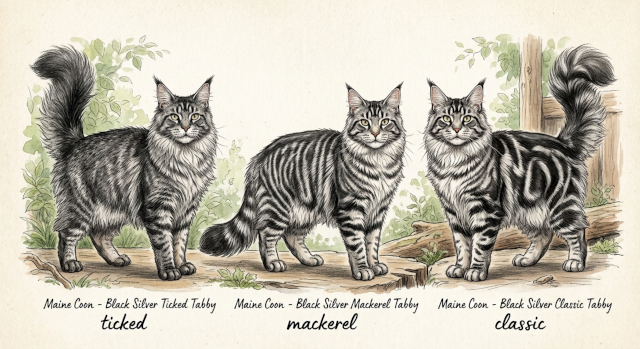
I breed ticked, mackerel and classic tabby patterns. These patterns are usually most distinct in kittens; as the coat grows longer, the markings become blurred and difficult to discern. With light silver coats, the pattern is often barely visible even in kittens and hard to identify.
White spotting
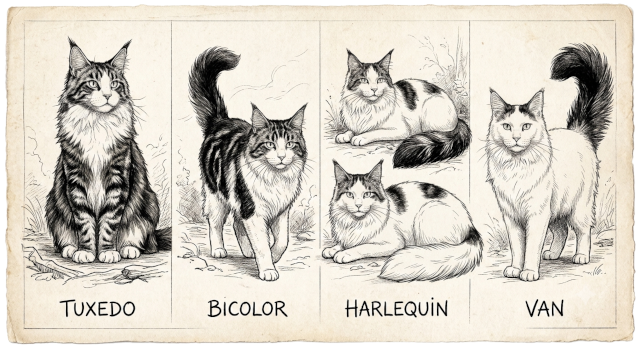
The classic white-spotting pattern (also known as tuxedo)—featuring white only on the paws, chest, belly, and possibly the face—is simply described by adding white to the color designation.
If a cat has white covering between one-third and one-half of its body, it is referred to as bicolor. In my cats' bloodlines, this usually occurs when both parents have white spotting and a kitten inherits the white trait from both of them.
Higher degrees of white spotting, such as harlequin (1/2 to 2/3 white) or van (5/6 white), generally do not occur in my breeding program—even though it may sometimes appear that way, as the light silver coat can make the actual colored fur look white.